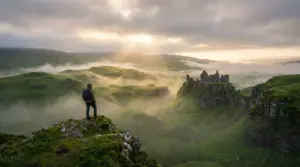
Travel does not have to end when the sun goes down. In 2026, more travelers are discovering that some of the most memorable experiences begin after dark. From watching the Northern Lights and photographing the Milky Way to exploring night markets, joining wildlife safaris, and walking through historic destinations after sunset, noctourism travel 2026 is changing the way people experience the world.
Noctourism refers to travel centered around nighttime experiences. It can include astronomy trips, nighttime wildlife encounters, moonlit outdoor adventures, cultural events, night markets, illuminated landmarks, and other activities specifically designed for the hours after sunset. National Geographic has identified noctourism as one of the travel trends shaping 2026, noting that travelers are increasingly turning to nighttime activities to avoid daytime heat and crowded attractions. National Geographic’s 2026 travel trends report provides additional background on the movement.
For Sun Surf Travel readers who enjoy adventure, nature, beaches, and distinctive experiences, nighttime travel offers a completely different way to explore familiar destinations.
What Is Noctourism?
Noctourism is travel that intentionally incorporates the nighttime into the main itinerary. Rather than treating evening hours as downtime between daytime excursions, travelers plan their trips around experiences that are best enjoyed after sunset.
The concept covers a surprisingly wide range of activities. A traveler might visit a dark-sky destination to photograph stars, take a guided walk through a rainforest, explore a food market under lanterns, search for wildlife on a night safari, or watch the Northern Lights in a remote Arctic landscape.
This makes noctourism different from simply going out at night. The focus is on the destination and the experience rather than nightlife alone.
For travelers who already enjoy nature-focused trips, noctourism can also complement the slower style of travel discussed in our guide to coolcation travel.
Why Noctourism Is Trending in 2026
Several factors are helping nighttime travel become more attractive. One is climate. Hot summer days can make walking tours, sightseeing, and outdoor adventures uncomfortable in some destinations. Moving activities into the evening can provide cooler conditions and a different atmosphere.
Crowds are another factor. Popular attractions that are busy during the middle of the day can feel completely different after sunset. Some destinations are responding by developing nighttime tours, cultural programs, extended museum hours, and special evening events.
There is also a growing interest in experiences that feel more meaningful and distinctive. The Global Wellness Institute’s 2026 wellness travel trends includes the growing demand for experiences connected with nature, rest, and cooler climates. Nighttime travel fits naturally into this broader shift.
Stargazing and Dark-Sky Travel
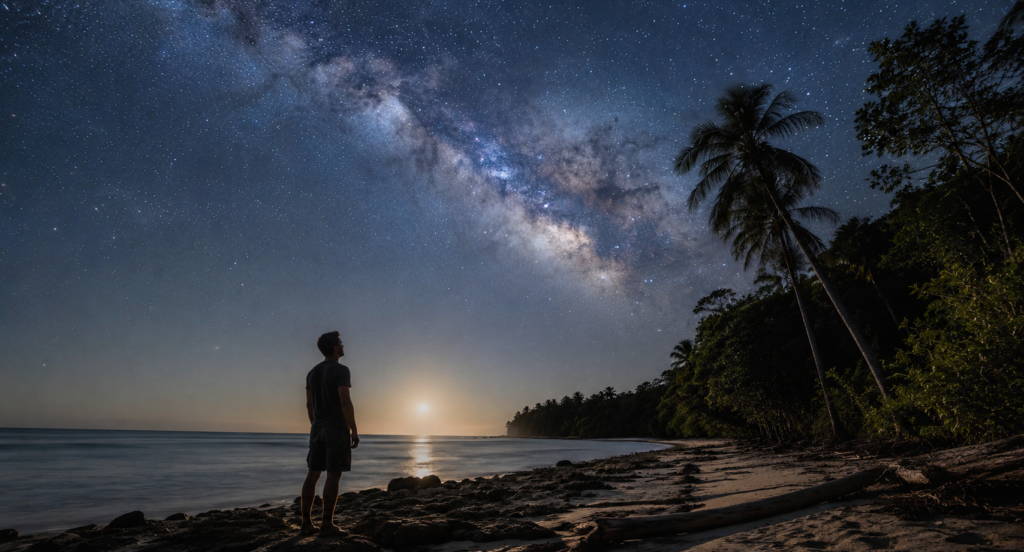
Stargazing is one of the most recognizable forms of noctourism. Away from urban light pollution, travelers can see constellations, planets, meteor showers, and the Milky Way with far greater clarity.
Dark-sky destinations are particularly attractive because they combine natural scenery with astronomy. Desert landscapes, remote islands, mountain regions, and rural areas can provide exceptional conditions for observing the night sky.
DarkSky International works to protect nighttime environments from excessive light pollution and recognizes communities, parks, and other locations that protect dark skies.
A stargazing trip does not require expensive equipment. Beginners can start with a comfortable chair, warm layers, a red-light flashlight, a basic star map, and a smartphone astronomy application. More experienced travelers may bring a tripod and camera for astrophotography.
Best Noctourism Experiences Around the World
Chasing the Northern Lights
The Northern Lights are one of the world’s most spectacular nighttime travel experiences. Destinations across northern Scandinavia, Iceland, Canada, and Alaska attract travelers hoping to see colorful auroral displays.
A successful aurora trip requires flexibility because visibility depends on conditions such as darkness, cloud cover, and solar activity. Spending several nights in an appropriate location can provide more opportunities than relying on a single evening.
Night Safaris
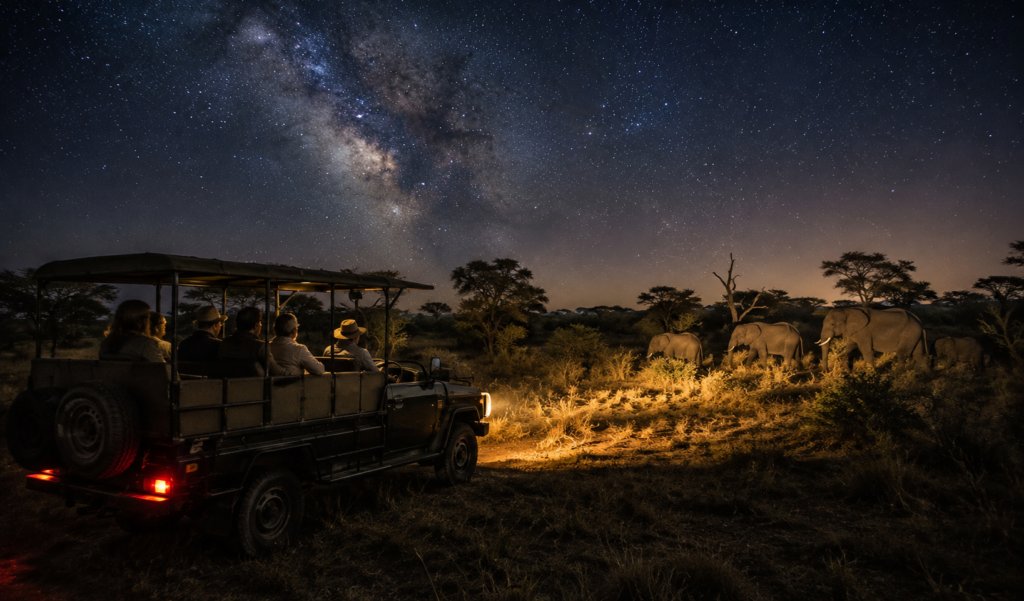
Wildlife does not follow a daytime schedule. Many animals become active after sunset, making nighttime safaris an entirely different experience from traditional game drives.
Guided night safaris can reveal nocturnal animals, unusual behaviors, and sounds that visitors may never encounter during daylight. Travelers should always choose reputable operators that follow local wildlife regulations and minimize disturbance to animals.
Night Markets
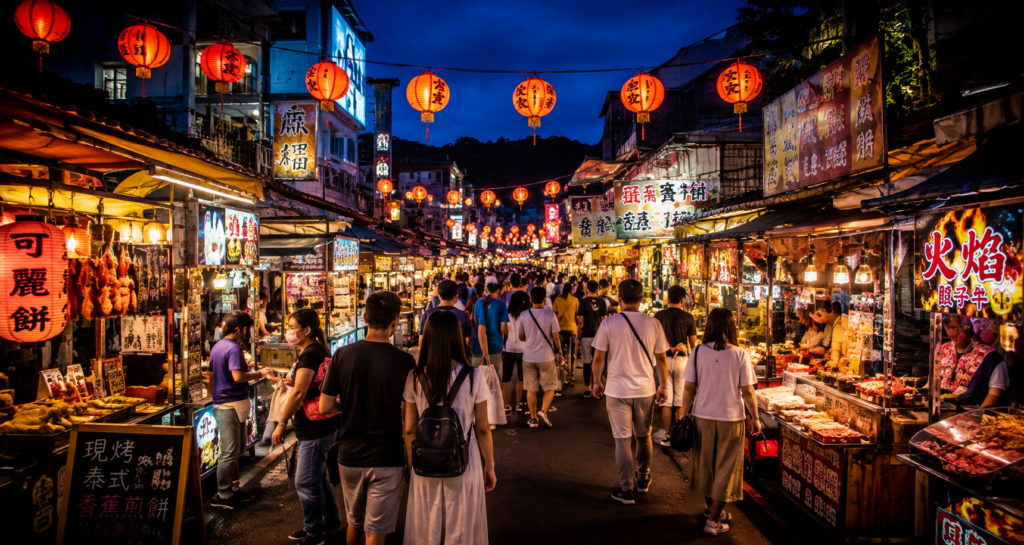
Noctourism is not limited to wilderness destinations. Night markets offer travelers an opportunity to experience local food, crafts, music, shopping, and social life after dark.
Night markets can be especially appealing for travelers interested in authentic cultural experiences. Instead of simply visiting a landmark and taking a photograph, visitors can spend an evening experiencing how a destination comes alive after sunset.
For travelers who enjoy combining food and culture with exploration, noctourism can add another dimension to a traditional vacation itinerary.
Nighttime Beach and Ocean Adventures
Coastal destinations can become completely different places after dark. Moonlit beaches, evening boat trips, nighttime paddle excursions, and guided marine experiences can give travelers a new perspective on familiar shorelines.
In some destinations, travelers may also encounter bioluminescent marine organisms that create natural flashes of light in the water. These experiences are highly dependent on local environmental conditions, so travelers should research seasonal availability and choose responsible operators.
Beach lovers can combine these experiences with our guide to hidden beach destinations for inspiration when planning a quieter coastal adventure.
Night Hiking and Moonlit Adventures
Hiking after sunset creates a completely different sensory experience. Familiar trails can feel mysterious when the landscape is illuminated only by moonlight and a headlamp.
However, nighttime hiking requires additional preparation. Travelers should use established trails, check local regulations, carry appropriate lighting, bring navigation equipment, and avoid unfamiliar terrain without a knowledgeable guide.
Moonlit walks can also be an excellent way to slow down. Without the visual intensity of daytime sightseeing, travelers may become more aware of sounds, temperatures, scents, and the surrounding landscape.
How Noctourism Can Support Sustainable Travel
Nighttime tourism can potentially help destinations distribute visitor activity beyond traditional daytime hours. Instead of concentrating every traveler around the same attractions between morning and afternoon, carefully managed evening experiences can spread tourism throughout the day.
Noctourism can also encourage appreciation for natural environments. Dark skies are a natural resource, and destinations that protect them can benefit from travelers interested in astronomy and nature.
However, nighttime tourism must be managed responsibly. Artificial lighting can affect wildlife, ecosystems, and the visibility of natural night skies. Travelers should avoid unnecessarily bright lights and follow local rules designed to protect wildlife and dark-sky conditions.
The UN Tourism sustainable development resources provide useful background on responsible tourism and the importance of balancing tourism with environmental and community considerations.
How to Plan a Noctourism Vacation
Planning a nighttime-focused trip requires a little more preparation than an ordinary vacation. Start by identifying the experience you want most. If your priority is stargazing, look for dark skies. If you want to see wildlife, research destinations known for responsible nocturnal tours. If food and culture are more important, investigate destinations with established night markets and evening cultural programs.
Weather should also influence your planning. Cloud cover can affect stargazing, while rain can change the availability of outdoor activities. Check local forecasts and seasonal conditions before finalizing your itinerary.
Pack for changing temperatures. Even destinations that are warm during the day can become surprisingly cool at night. A lightweight jacket, comfortable walking shoes, portable lighting, and a small power bank can be useful additions to your travel bag.
Safety should remain a priority. Stick to organized tours when appropriate, tell someone about your plans, use official transportation, and avoid isolated areas that are not intended for nighttime visitors.
Noctourism for Different Types of Travelers
Noctourism can work for many different travel styles. Adventure travelers can choose night hikes, safaris, astronomy excursions, or nighttime kayaking. Couples may prefer moonlit beaches, rooftop dining, or private stargazing experiences.
Families can look for organized astronomy programs, evening wildlife tours, and cultural markets that welcome children. Solo travelers can choose guided nighttime activities that provide structure while creating opportunities to meet other travelers.
Travelers who prefer luxury can combine noctourism with private villas, remote lodges, wellness resorts, and astronomy-focused accommodations. Our luxury beach vacation guide offers additional ideas for travelers who want to combine comfort with distinctive experiences.
Pair Noctourism With Slow and Meaningful Travel
One of the biggest advantages of nighttime travel is that it encourages travelers to slow down. Instead of rushing from attraction to attraction, visitors can spend an entire evening experiencing one location.
This approach fits naturally with the growing interest in slower, more intentional vacations. Travelers can spend the afternoon relaxing, enjoy a local meal in the evening, and then head out for a carefully planned nighttime experience.
Travelers who prefer tropical destinations can also explore our tropical destinations for solo travelers guide for additional inspiration.
Responsible Noctourism Tips
Responsible nighttime travel starts with respecting the environment and local communities. Keep artificial light to the minimum necessary, avoid disturbing wildlife, stay on designated trails, and follow the instructions of local guides.
When stargazing, choose accommodations and tour operators that recognize the importance of dark skies. When visiting wildlife areas, never approach or feed animals simply because they appear after dark.
Supporting local guides, restaurants, markets, and small tourism businesses can also help ensure that the economic benefits of nighttime tourism reach the communities hosting visitors.
Final Thoughts
Noctourism travel in 2026 represents a fascinating change in how people explore the world. The nighttime is no longer simply the quiet period between sightseeing activities. For many travelers, it is becoming the reason to visit.
Whether you are watching the Northern Lights, photographing the Milky Way, exploring a colorful night market, joining a responsible wildlife safari, or walking along a quiet beach beneath the stars, after-dark travel can make a familiar destination feel completely new.
As travel continues to evolve around wellness, climate awareness, nature, and meaningful experiences, noctourism offers travelers an opportunity to see the world from a different perspective. Sometimes, the best part of the journey begins when the sun goes down.
For more destination inspiration, explore the latest travel ideas and guides from Sun Surf Travel.